
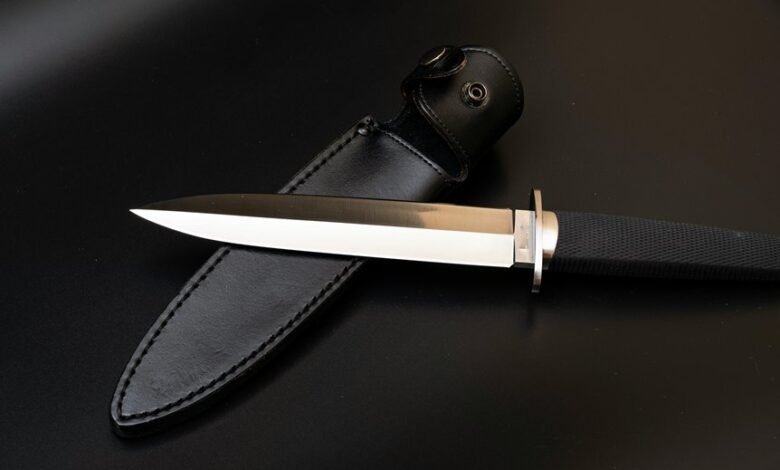
8Cr13MoV activity notes and alerts documentation present a structured view of performance under typical service. The notes link edge retention, corrosion resistance, and toughness to heat-treatment driven microstructure changes, grain size, and precipitate formation. They emphasize traceability, explicit testing conditions, and objective reporting to avoid bias. In maintenance, these notes support calibration and anomaly logging, enabling reproducible workflows across environments. The discussion invites careful examination of how updates influence lifecycle decisions and the reliability of subsequent analyses.
What 8Cr13MoV Activity Notes Reveal About Performance
8Cr13MoV activity notes indicate a balanced performance profile, emphasizing edge retention, corrosion resistance, and toughness under typical usage.
The observation framework outlines measurable traits: 8cr13mov microstructure characteristics and responses to generic service conditions.
Analysts note that variations reflect heat treatment effects, influencing grain structure, residual stress, and attainable stability.
How Heat Treatments Alter Hardness and Microstructure
Heat treatment acts as the primary modifier of hardness and microstructure in 8Cr13MoV, shaping its performance envelope through controlled diffusion, phase transformation, and stress relief. The process alters lattice arrangements, grain size, and precipitate formation, affecting wear analysis and corrosion behavior. Consequently, heat treatment delivers predictable hardness changes while refining microstructure, enabling tailored resistance and dimensional stability for specific service conditions.
Interpreting Wear, Corrosion, and Alert Updates in Documentation
Documentation on wear, corrosion, and alert updates for 8Cr13MoV should be interpreted with an emphasis on traceability, reproducibility, and the explicit conditions under which data were obtained. The analysis emphasizes two word discussion ideas and subtopic relevance, presenting structured criteria for assessing wear mechanisms, corrosion indicators, and alert credibility without presupposed outcomes, ensuring clear, objective reporting for researchers seeking freedom from ambiguity.
Applying Activity Notes to Makers and Researchers for Maintenance
What practical steps can makers and researchers apply from activity notes to sustain equipment performance and data integrity?
Activity notes translate into maintenance checklists, calibration intervals, and anomaly logging.
They emphasize proactive monitoring, reproducible workflows, and lifecycle tracking for 8cr13mov tooling.
Edge case handling and documented deviations ensure traceability, enabling consistent performance despite variability across environments and long-term wear.
Conclusion
The 8Cr13MoV activity notes deliver a precise, structured framework linking heat-treatment microstructure to hardness, wear, and corrosion performance. Explicit testing conditions and traceable reporting enable objective anomaly logging and reproducible maintenance workflows. By aligning makers’ and researchers’ practices with documented thresholds, lifecycle integrity is preserved across environments. In practice, “measure twice, cut once” guides calibration and updates, ensuring durable edge retention and reliable alerts throughout service.